Signs of EPI in the GSD

Transform Your Dog’s Behavior.
Transform Your Family’s Life.
Discover the online program that more than 57,000 dog owners have used to rapidly transform their dog into a well-behaved, obedient furry friend.
EXOCRINE PANCREATIC INSUFFICIENCY
Do you know the signs of EPI in the GSD? Exocrine pancreatic insufficiency (also called EPI in the GSD) is a medical condition in which the pancreas stops producing enough digestive enzymes to digest food normally in the small intestine.
In dogs diagnosed to have Exocrine pancreatic insufficiency, the German Shepherd Dog is very common as well as the Rough-coated Collie. One estimate shows that about 70% of dogs diagnosed with EPI are German Shepherds and 20% are Rough-coated Collies.
What is the pancreas and EPI you may ask? And what does this have to do with my German Shepherd?
It's a shame how many German Shepherd owners don't know about this condition and how many Vets aren't up to speed on the evaluation and treatment of Exocrine pancreatic insufficiency. EPI in the GSD can result from primary pancreatic disease or any number of diseases that interfere with the correct production of enzymes by the pancreas or of activation of the enzymes in the intestine.
Following is a brief explanation: the "exocrine" part of the pancreas produces the enzymes we use to digest our food properly. Without adequate production of these particular enzymes your GSD cannot digest its food properly.
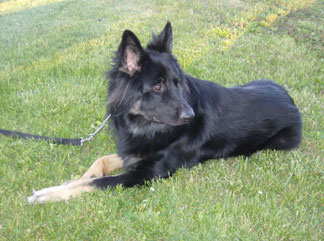
If your German Shepherd can't digest it's food, it will not be able to absorb the food's nutrients properly as well. While this disorder can be potentially life threatening, especially in its acute form, it does respond well to ongoing and daily treatments.
In fact, here's one dog food you might want to consider if your German Shepherd has EPI!
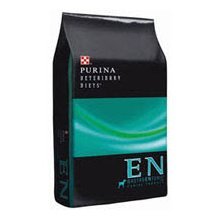
Purina Veterinary Diets EN GastroEnteric Canine Formula Dry
Purina Veterinary Diets EN? brand canine formulas may be prescribed for dogs with the following conditions: Enteritis, Gastritis and diarrhea, Pancreatitis, Exocrine Pancreatic Insufficiency, Hyperlipidemia, Inflammatory bowel disease, Malabsoption and maldigestion, Lymphangiectasia and hepatic disease not associated with encephalopathy. Among our latest GI nutritional offerings: Purina Veterinary Diets EN Gastroenteric brand Canine Dry Formula, now enhanced with bovine colostrum, which works to help stabilize intestinal microflora and reduce the risk of diarrhea.
Typically, the exocrine functions of the pancreas can
malfunction in one of two ways. First, in acute pancreatitis, the dog's
pancreas becomes inflamed, causing vomiting and loss of appetite with
resulting dehydration. This requires immediate veterinary attention.
Secondly, a previously healthy animal begins to exhibit some or all of the following symptoms: ravenous appetite, excessive water-drinking, and very soft "cow patty" stools. No matter how much the dog eats, it will be hungry soon after and will soon begin to lose weight. Typically, EPI in the GSD is presented in young adult dogs, usually between 1 to 5 years of age.
The diagnosis of Exocrine pancreatic insufficiency needs to be confirmed by use of laboratory tests. Diarrhea and foul smelling feces due to high fat content results, and because all the food ingredients are not being digested completely the German Shepherd will become malnourished.
Signs of Exocrine Pancreatic
Insufficiency / EPI in the GSD
• Increased gut sounds.
• Diarrhea and foul smelling "cow patty type" feces.
• Weight loss.
• Signs of nutritional deficiency (ex. dry and brittle hair, anemia)
• Ravenous appetite.
• Excessive water-drinking.
Treatment of Exocrine Pancreatic
Insufficiency / EPI in the GSD
Treatment often involves the use of replacement pancreatic enzymes , such as the one seen below, given orally to your German Shepherd.
Bio case V homeopathic is an excellent pet medication that acts as a digestive aid in replacement therapy.
It is especially useful in conditions where digestion of protein, carbohydrate and fat is inadequate due to exocrine pancreatic insufficiency. It comes in tablet form and also as 12oz powder
Most often, these EPI products are given in powder form or as crushed tablets and then mixed with the food and left on it for about 30 minutes at room temperature before feeding takes place. Occasionally oral antibiotics may be needed as well.
Recommended diet:
• Feed several small meals daily (at least 3 or more)
• Feed a highly digestible, palatable, complete ration. Consult you veterinarian
• Ideal diet for a GSD with EPI : low fiber, low in fat, low excess carbohydrates
Once diagnosed, this treatment is a lifelong commitment for you and your GSD. It may be possible to regulate the condition of EPI in the GSD's who are not so severely affected by feeding a bland low-fat, low-fiber diet with an over-the-counter enzyme supplement.
For the more severely affected German Shepherd a more serious regime is required.
If EPI enzyme supplementation is stopped for any reason then all the unpleasant symptoms will recur in your dog - and very soon.


Oftentimes the GSD's response to therapy can be seen within a week or so of starting treatment. The owner of a German Shepherd diagnosed with Exocrine pancreatic insufficiency needs to be very attentive to their GSD's overall condition. After figuring out the correct amount of enzyme(s) needed to produce relatively normal stools and to stop weight loss, the GSD owner can usually feed enough food to help the dog regain lost weight. Relapses are always possible and are shown either in the return of diarrhea or in resumed weight loss.
The owner has to watch carefully for any of these returning symptoms. Generally speaking, as long as the GSD owner is vigilant in maintaining the diet and enzyme supplements needed by the EPI patient, then the German Shepherd with EPI can live a happy and relatively normal life.
Return from EPI in the GSD to Arthritis in the GSD
"Newfoundland dogs are good to save children from drowning, but you must have a pond of water handy and a child, or else there will be no profit in boarding a Newfoundland." - Josh Billings
Sign up for promotions, news, discounts, and the chance to win prizes for you and your German Shepherd